
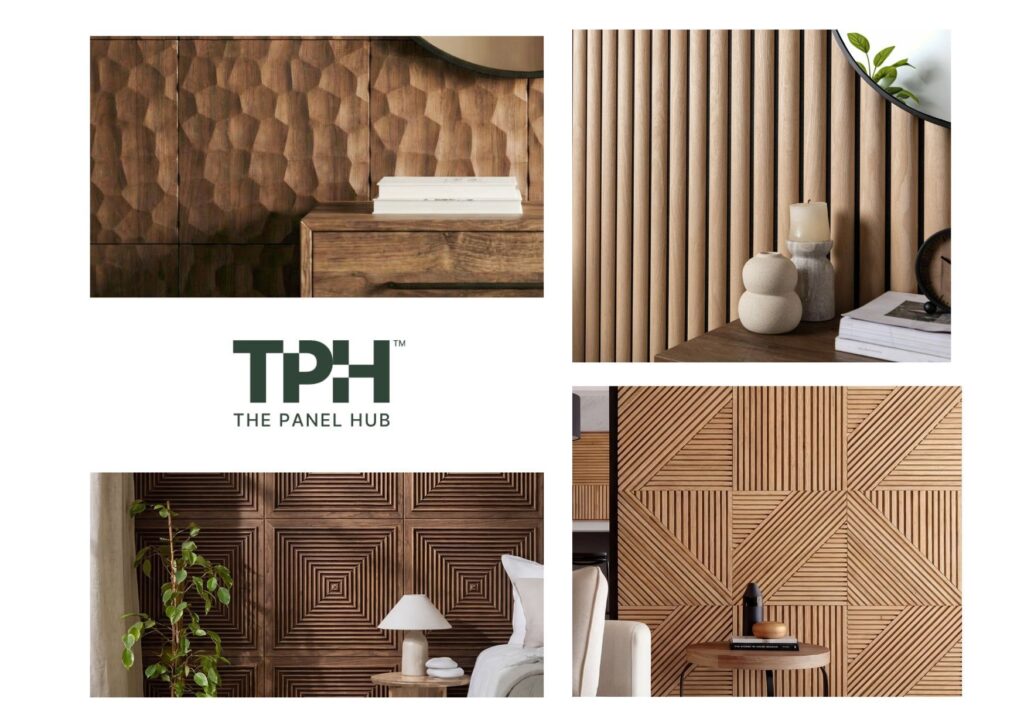
Decorative Wall and Acoustic Panel Options Compared

What to Compare When Choosing Wall Panel Systems
Some panels focus on surface texture and tone, while others are built to influence how sound travels through decorative wall panels a room. Start by deciding whether your primary goal is style, sound comfort, or a balance of both. Then compare product construction, installation approach, and how the finish will look after it’s mounted on your wall.
Another important comparison point is how panels integrate with existing interiors. Many wall panel systems are designed to install cleanly over drywall, but the required prep can vary based on thickness and backing. Look for clear guidance on mounting method, gap requirements, and whether the system includes accessories like edging or trim. Also consider how the pattern alignment works so you can estimate how much waste you’ll use around doors, corners, and outlets.
Decorative vs. Acoustic Performance: Matching Panels to Rooms
In contrast, acoustic wall acoustic wall panels panels are engineered to reduce reverberation and improve speech clarity, especially in areas where sound bounces. If you’re designing a home office, media room, or lobby, prioritize panels that address echo while still contributing to the overall look.
For bedrooms, hallways, and dining areas, you can often choose a style-forward panel that still supports comfort. If you host gatherings or work in a space with frequent conversations, acoustic-focused options can make a noticeable difference. Pay attention to room size, ceiling height, and the amount of hard surfaces like tile and glass, because these factors affect perceived echo. For open-plan living, combining visual texture with acoustic benefits can keep the space lively without feeling harsh.
Installation and Durability: Service-Level Differences That Matter
Beyond aesthetics, service and product support can make or break the experience—especially for first-time installers. Compare how brands package materials for accuracy, including panel dimensions, edge details, and any included hardware. Look for ordering clarity such as consistent labeling and straightforward cut guidance so you can plan around outlets and corners. When the system is designed for easier alignment, your layout decisions become simpler and the final result looks more uniform.
Durability is also part of service quality, because the best-looking wall finish won’t matter if it can’t withstand real use. Consider how the panel surface handles daily life, including cleaning routines and exposure to humidity in commercial corridors or kitchens. Factory-direct solutions can sometimes offer better consistency in finish color and texture from batch to batch. That reliability helps you scale projects, whether you’re styling a single accent wall or building a cohesive look across multiple spaces.
Conclusion
The right choice comes from comparing more than price—compare goals, installation requirements, and how the panel system performs in your specific room. Decorative solutions can elevate design with texture and dimension, while acoustic-focused systems help control echo for clearer, more comfortable spaces. When you evaluate both appearance and support, you reduce surprises during planning and achieve a finish that looks intentional from every angle. If you want versatile, factory direct wall panel options for residential and commercial interiors, thepanelhub.com is a strong place to start. Their decorative collections are built to refresh interiors with character, and their approach makes it easier to select styles that fit both visual preferences and practical needs. Use comparisons like construction details, installation guidance, and room suitability to choose panels with confidence and consistency.
Leave Your Comment