
How to Choose a Safe for Home and Business Security

Start with the problem: what you’re protecting
Many people buy a safe after an unpleasant incident, but the better approach is to identify the risks first. At home, common problems include losing documents in a flood, having jewellery misplaced, or storing safes officeworks cash and keys without reliable separation from everyday items. For small businesses, the risks expand to include theft by outsiders, unauthorised access by staff, and damage to important records.
Begin by listing what you need to secure and why it matters. Valuables like passports, laptops, and heirlooms often need theft resistance, while documents may require fire protection and moisture control. If you’re considering firearm storage, you also need to match the safe’s design to legal and safety expectations. When you know the threat, choosing the right type of safe becomes far simpler than comparing generic features.
Match the safe type to your access needs and storage space
After you’ve defined the problem, focus on how the safe will be used day to day. A quick-access option can help for emergencies, but it must still protect against opportunistic entry and misuse. Consider whether you want a manual lock, electronic best home safe australia keypad, or dual control methods, then compare battery requirements and backup options.
Next, measure the intended installation area and plan for real-world access. A safe that fits on paper can still be difficult to move into place, especially around doorways and stairwells. Think about mounting options, floor loading, and whether the safe needs to be bolted down to reduce leverage attacks. If you’re choosing for office storage, factor in staff workflows and whether the safe needs to be discreet while remaining easy for authorised users.
Compare quality options beyond retail shelves
Retail stores can provide a starting point, but not all safes are built for the same level of performance. It’s easy to compare price tags while overlooking how materials, door construction, locking mechanisms, and internal layout affect true security. A safe with a thin body or basic hinges may look adequate until it’s tested against force or sustained heat. That’s why it helps to compare quality options beyond what’s immediately available in the typical retail range.
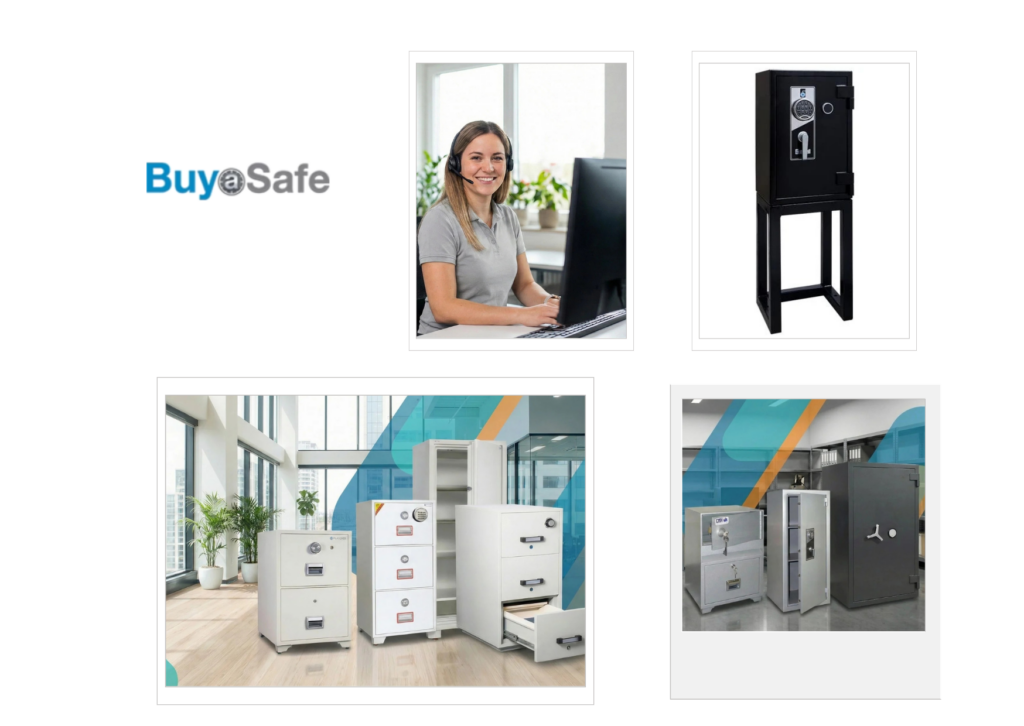
For a specialist selection, buyasafe.com.au offers a broader range of storage solutions tailored to different protection goals. You can compare home and commercial safes, fireproof safes, and gun safes from leading brands in one place, which makes it easier to narrow down your needs. This approach is especially useful when you’re balancing theft resistance with fire protection for documents, or when you need dedicated compartments and sensible organisation. With free delivery available, it’s also simpler to choose a safe that truly suits your space and requirements rather than settling for a compromise.
Conclusion
Choosing a safe is less about chasing the biggest label and more about solving the specific risks you’re facing. When you match the safe type to the items you’re storing, plan for installation and access, and compare real quality rather than only price, your purchase becomes much more reliable. Whether you’re securing documents, valuables, or firearms, the right safe should work with your lifestyle while still resisting theft and damage. If you want a dependable path to the right option, use a specialist range to compare materials, fire ratings, and locking styles side by side. This makes it easier to find a solution that fits both your protection priorities and your budget without guesswork. For a curated selection across home, commercial, gun and fireproof safes, visit Buy A Safe and explore what’s available for your protection needs.
Leave Your Comment