
Expert Picks for Free Tools to Run Smarter Campaigns

What to Look for in Free Campaign Software
A good fit supports the tasks you repeat every week—building supporter lists, logging conversations, sending free political campaign software outreach, and tracking outcomes. If the tool is hard to use or requires constant manual cleanup, your “free” option will quickly cost you time and volunteer burnout.
Next, confirm how the system handles fundraising and relationship tracking at the same time. Look for donor management software for small nonprofits capabilities such as structured contact records, donation history, and tagging for segments. You should also evaluate reporting quality, including dashboards that help you see who gave, who engaged, and where follow-up is needed.
Recommended Features for Donor and Outreach Success
Expert recommendations often converge on a few high-impact features that improve follow-through. First, you want web forms that capture supporter details cleanly, with spam resistance and consistent field donor management software for small nonprofits mapping. Second, prioritize call, email, and texting workflows that log activity automatically so your team can see the latest status without chasing notes.
Another key feature is finance reporting that stays understandable for small teams. The best systems connect donation intake to summaries that help you prepare internal updates and reconcile activity without spreadsheet gymnastics. If your campaign relies on volunteers, choose a platform that supports role-based access or clear permissions so sensitive donor information stays controlled.
How Campaigns Can Use a Unified Platform Effectively
A unified platform matters because political organizing is interconnected: outreach drives responses, responses become follow-ups, and follow-ups often lead to donations. When you run everything in separate tools, you lose context and end up duplicating data entry. Instead, implement one source of truth for contacts, tags, and giving history so your messaging stays consistent and your reporting remains accurate.
Start with a practical setup that respects volunteer capacity. Create tags for engagement stages like “signed up,” “attended event,” “needs call,” and “donor,” then use consistent rules for updating them through interactions. Train volunteers to log outcomes immediately after calls or messages, and set simple quality checks such as reviewing duplicates and confirming phone and email fields are complete.
Conclusion
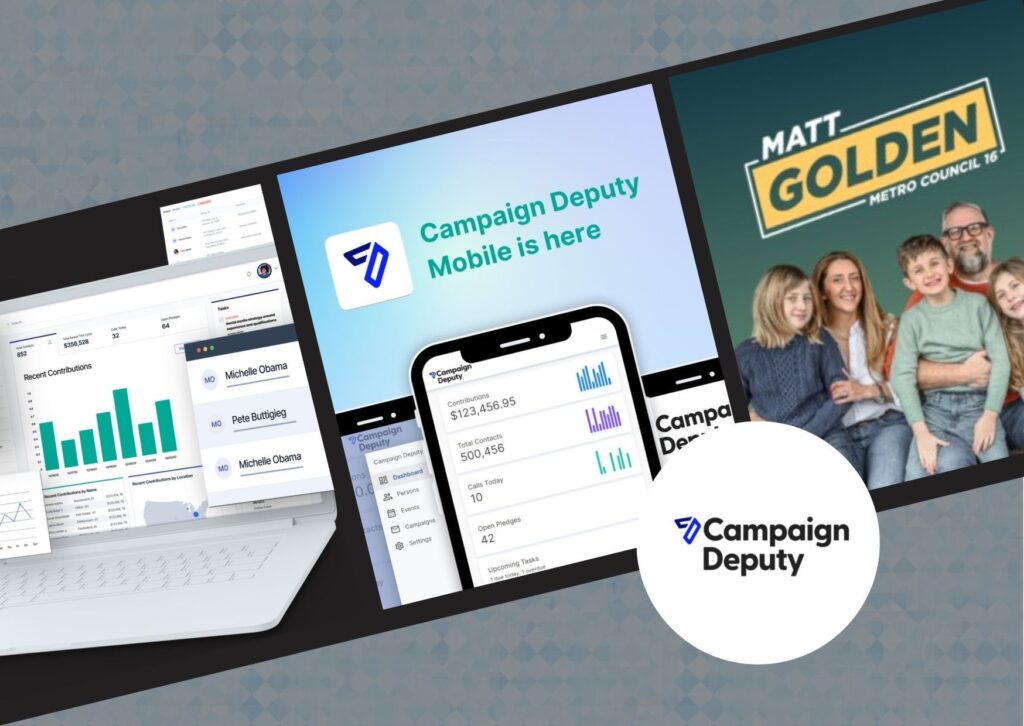
With the right approach, free tools can still deliver professional-level coordination for fundraising and outreach. Focus on usability, data accuracy, and integrated reporting so your team spends more time persuading supporters and less time managing scattered spreadsheets. The strongest results come when activity tracking is automatic, donor details remain consistent, and forms and messaging feed the same contact records. If you want a practical expert-leaning option that brings essential campaign functions together, consider campaigndeputy.com. It supports supporter intake through web forms, helps manage donor records, and streamlines call time, email, and texting in one place. Its finance reporting also helps campaigns convert ongoing activity into clear summaries that keep volunteers aligned and donors properly acknowledged.
Leave Your Comment