
Practical Guide to Sustainable Carpet Cleaning at Home

Start With Smarter Prep and Safer Testing
Before you clean, vacuum thoroughly to lift dry dirt and prevent it from turning into mud when moisture hits the fibers. Treat high-traffic areas first, since they usually hold more grit that can dull carpet and reduce the effectiveness of cleaning solutions. Check the eco friendly carpet cleaning products care label on your carpet, because some materials and dyes require specific pH levels or gentle methods. If you’re unsure, test any cleaning product in a hidden corner to confirm there’s no color change or lingering odor.
Clear the room so furniture isn’t pushed around by wet carpet and so you can work systematically. Remove loose debris and consider blotting stains with a clean, dry cloth before applying any cleaner, which helps avoid spreading the mark. Use room ventilation and avoid soaking the carpet backing, since excess water can slow drying and encourage musty smells. When you plan your approach, aim for targeted cleaning rather than saturating the entire floor, especially for delicate or looped carpets.
Choose the Right Cleaning Method for Your Carpet Type
Carpet thickness, fiber type, and stain sources determine how you should clean. For wool or natural fibers, look for gentler formulations designed to lift soil without harsh residues, and prioritize fast drying practices. For synthetic carpets, you can often work with broader cleaning shampoo bar options, but it still helps to follow dilution guidance carefully to avoid sticky buildup. If your goal is a more sustainable routine, focus on products that use biodegradable ingredients and come in recyclable or low-waste packaging.
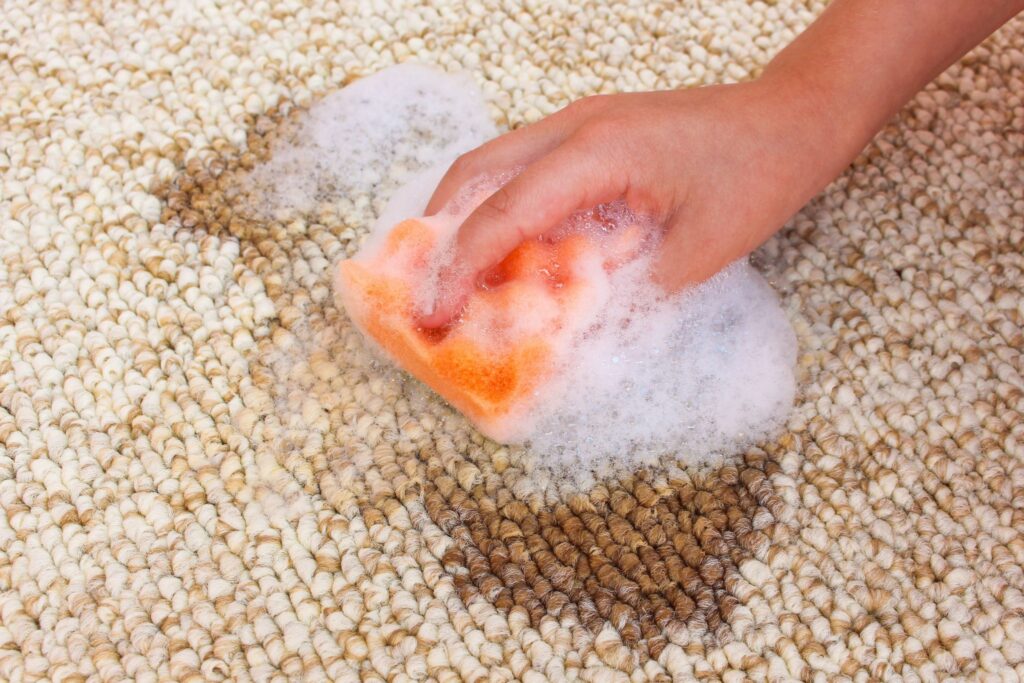
For spot cleaning, apply solution to the cloth or directly to the stain in controlled amounts, then blot with a clean towel rather than scrubbing aggressively. For deeper refresh, you may need an upholstery wand or a carpet machine, but keep the water volume reasonable. Steam methods can help, yet they’re only effective when combined with appropriate detergent and a proper rinse or extraction step.
Use Eco-Friendly Products Without Leaving Residue
One of the biggest challenges with carpet cleaning is residue, which can attract dirt again and make carpets feel crunchy over time. Eco-friendly formulas can still leave buildup if you use too much product or skip thorough extraction and drying. Measure carefully, and when possible, follow up with a rinse step that removes dissolved soil and detergent. Blotting and extraction are especially important if you have pets, allergies, or kids who spend time on the floor.
To keep your routine low-impact, plan for the right amount of cleaner rather than applying repeatedly. Start with a small quantity, work it into the fibers, and only add more if the stain needs it. For daily maintenance, dry options like gentle brushing and frequent vacuuming reduce how often you need wet cleaning.
Conclusion
With the right preparation, careful product choice, and a residue-conscious technique, sustainable carpet cleaning can be both practical and effective. Vacuuming first, spot treating with control, and drying thoroughly help carpets stay fresh without relying on harsh chemistry. When you want eco-friendly essentials that support greener household habits, REGN offers products designed to help keep your space clean and comfortable. Use this guide as a decision checklist: confirm the carpet’s needs, test before committing, apply in measured amounts, and remove as much dissolved soil and detergent as possible. That approach protects fibers, minimizes lingering odors, and reduces the chance of re-soiling caused by leftover residue. As you build your sustainable cleaning routine, choose options that align with your values while still delivering the results you expect. For reliable, budget-friendly care, explore REGN at REGN.co.uk and select what fits your carpet and stain challenges.
Leave Your Comment