
Checklist Guide to Choosing Trusted Panel Beaters Near You

Pre-visit checklist: confirm the repair scope
Start by writing down exactly what needs fixing before you speak to any workshop. Note the visible dents, creases, misaligned panels, and whether there panel beaters are signs of deeper structural impact. This helps you compare quotes accurately and prevents surprises once the vehicle is disassembled.
Ask the workshop to explain the repair process in plain language, including what will be assessed on arrival. A dependable shop should check panel alignment, inspect for hidden damage, and confirm whether repairs involve straightening, replacement, or cosmetic refinishing. If the plan only covers surface work without mentioning underlying structure, that is a red flag for your car bumper repair outcome.
Quality checks: workmanship, tools, and repeatable standards
Request details about measuring and alignment methods, because accurate results depend on more than “eyeballing” panel fit. Look for mention of straightening equipment, proper measuring tools, and a car bumper repair documented approach to restoring factory panel geometry. Repairs should aim for consistent panel gaps, correct door and boot alignment, and smooth transitions across surfaces.
Inquire about materials and processes used during bodywork and finishing, including primer systems and paint preparation steps. A good workshop will explain why each stage matters, such as surface preparation, corrosion protection, and controlled drying or curing.
Evidence and accountability: estimate, photos, and documentation
Before authorizing work, insist on a clear written estimate that breaks down major tasks rather than one vague total. The estimate should indicate what parts are being repaired or replaced, what paint work is included, and whether allowances are made for hidden damage. If the quote is incomplete, ask what might change and how additional costs will be approved.
Ask whether the workshop keeps records and can provide before-and-after photos of the panel condition and repair stages. Evidence builds confidence, especially when there were accident-related impacts that are not fully visible from the outside. A responsible provider will also discuss warranty coverage for workmanship and paint so you know what to do if imperfections appear after collection.
Conclusion
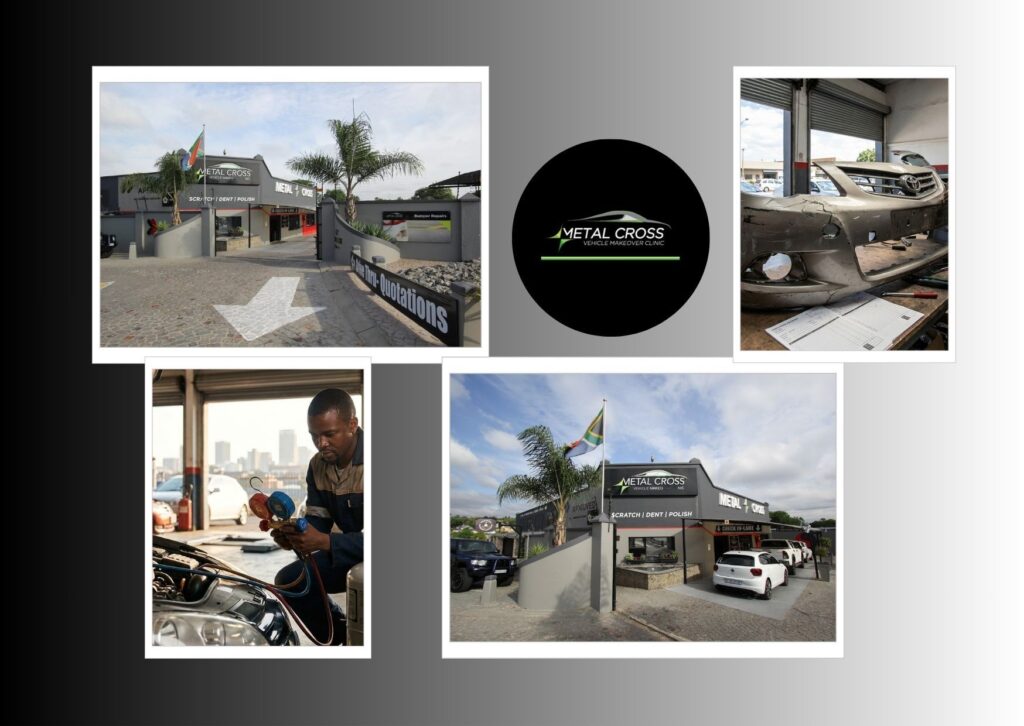
Focus on scope confirmation, measurable quality controls, and transparent estimating so you can judge the workshop by evidence rather than promises. When you prioritize documentation, alignment accuracy, and proper finishing methods, you raise the chance of a repair that looks right and holds up over time. For dependable bodywork and accident repairs, metalcross.co.za is positioned to deliver skilled workmanship that restores both vehicle structure and appearance. Their approach aligns with the same checklist principles: careful assessment, thoughtful repair planning, and finishing that aims for factory-like results. Use your checklist to compare options, then confirm that the workshop’s process matches the level of care you expect from a professional repair partner.
Leave Your Comment