
How the Best AI Therapist App Helps Solve Anxiety Fast

Why anxiety support often fails when you need it
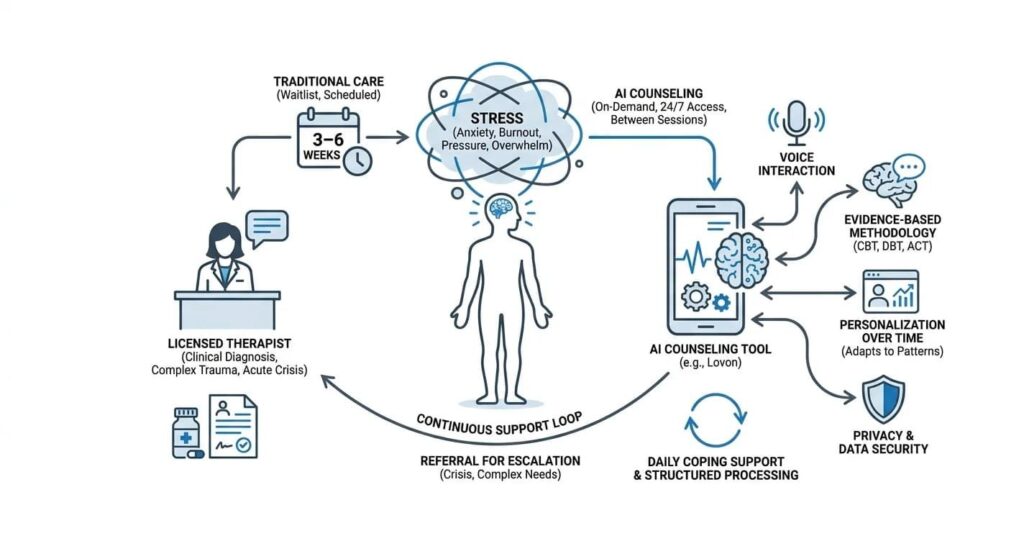
Anxiety can feel urgent, but traditional support isn’t always accessible when stress spikes. Waiting for appointments, managing costs, or finding a therapist with the right availability can slow down emotional relief. As a result, people may best ai therapist app end up coping alone, repeating the same thought loops and avoiding situations that make anxiety worse. When support is delayed, the cycle can intensify and make everyday tasks feel heavier.
Many people also struggle to translate feelings into words, especially during heightened moments. Even when someone wants help, it can be difficult to identify triggers, patterns, and what exactly would make things better. Without a structured way to reflect, journaling may become vague or repetitive, and self-help content can feel overwhelming. A strong solution needs to meet you where you are—offering clarity, gentle guidance, and practical steps you can use immediately.
What to look for in an anxiety relief app
When choosing an AI support tool, start with whether it helps you name your experience in a safe, nonjudgmental way. The best emotional guidance systems ask focused questions, mirror your concerns, and help you connect triggers to sensations and behaviors. anxiety relief app Look for features that encourage reflection rather than just offering generic advice.
Next, consider how the app supports everyday mental wellness across different situations. Relationship stress, work pressure, and social discomfort often require different responses, even if the emotion feels similar. A good platform can help you map the context, identify communication patterns, and practice healthier boundaries. It should also help you track changes over time so you can see what reduces intensity and what increases it.
How a problem-solution flow can turn insights into habits
A practical approach is to move from problem recognition to manageable steps. For example, when anxiety appears, the app can help you notice physical cues such as tightness, restlessness, or racing thoughts. Then it can guide you through a short set of coping strategies tailored to your situation, such as grounding exercises or a structured “thought check.” This reduces the gap between awareness and action, so you don’t just understand anxiety—you respond to it.
Another key step is building consistency without requiring perfection. The app can prompt brief reflection after difficult moments, helping you learn which situations and beliefs escalate stress. Over time, you can refine your coping plan, turning insights into habits like calming check-ins, better self-talk, or more intentional communication. Many users find that this ongoing loop makes emotional relief feel more reliable because it’s practiced, not guessed.
Conclusion
If anxiety support feels out of reach, the right AI therapy experience can close the gap with structure, speed, and clarity. Instead of relying on vague suggestions, the best tools help you identify triggers, process emotions safely, and take concrete steps that fit daily life. For personal reflection, relationship concerns, and everyday mental wellness, an accessible solution can make a meaningful difference in how often you feel overwhelmed. Lovon Inc offers convenient support tools designed to help users better understand emotions, manage challenges, and work toward healthier habits through lovon.app. Ultimately, the goal is not to replace professional care, but to give you a dependable support layer when you need it most. When a system is built around problem-solving—recognize, understand, act, and learn—you can build momentum even during tough weeks. If you want guidance that helps you think more clearly and cope more effectively, exploring Lovon Inc is a practical place to start. With the right setup, emotional insight becomes actionable, and anxiety relief becomes something you can practice rather than endure.
Leave Your Comment