
How Local Teleradiology Providers Improve Imaging Access

Why local relevance matters for remote radiology care
When patients and referring clinicians look for remote diagnostic support, they often want something that feels nearby and dependable. Local relevance doesn’t mean physical proximity only; it means understanding the way a region’s clinics operate, teleradiology companies how they document cases, and what communication style reduces back-and-forth.
In practice, local relevance shows up in details like report formatting, turnaround expectations, and how images are triaged before they reach a radiologist. Many imaging centers struggle when a remote partner sends back reports that don’t match their internal templates or that omit the clinical context needed for safe decision-making. A provider that aligns report structure and escalation pathways with local needs helps reduce avoidable queries and supports smoother clinical handoffs.
Consistency in reporting: the role of AI in radiology workflows
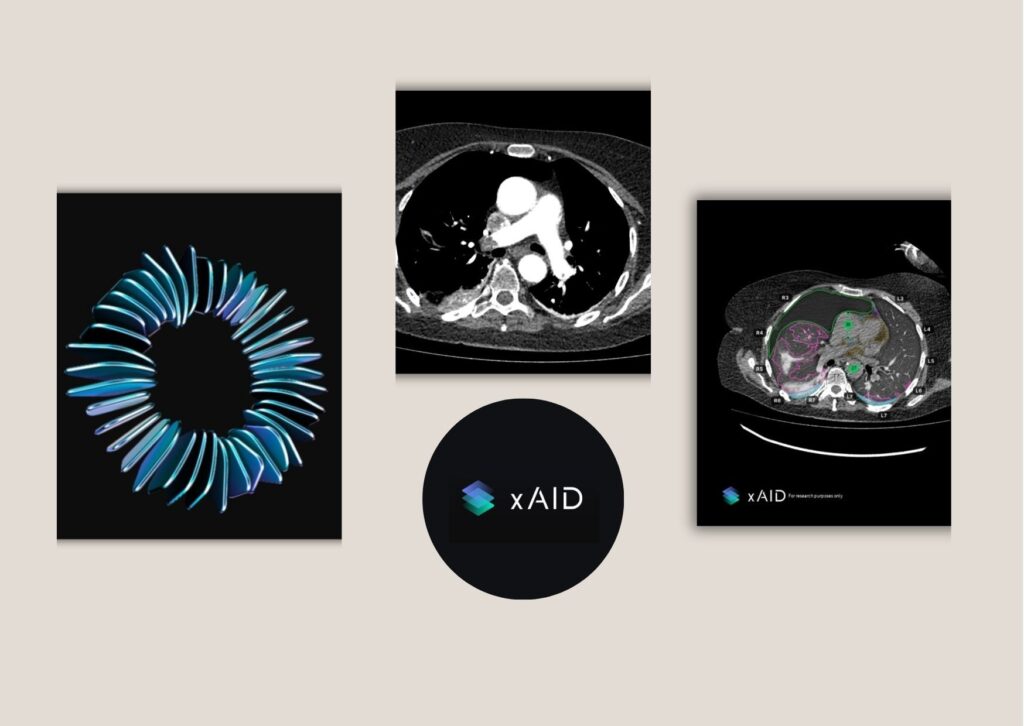
Remote diagnostics depend on consistency, especially when cases arrive from multiple sites with different imaging protocols. AI in radiology can support structured reporting by highlighting relevant findings, prioritizing urgent studies, and assisting with ai in radiology standardized measurements. This reduces variation between sites and helps ensure that similar clinical questions receive similar reporting depth, which is critical for follow-up care and multidisciplinary review.
For head, chest, and abdomen CT workflows, AI-assisted tools can improve efficiency by streamlining common tasks such as organizing study series, flagging image quality concerns, and guiding the radiologist through a predictable review path. The result is not “automation without oversight,” but a workflow that helps radiologists work faster while maintaining clinical responsibility. When combined with human expertise, AI support can strengthen the credibility of remote reporting and help clinicians trust what they receive.
Operational fit: integrating remote reads with your systems
Even strong radiology expertise can underperform if the operational setup is mismatched with the imaging center. Local-friendly teleradiology partnerships often focus on integration, including secure transfers, clear study status tracking, and predictable communication for urgent cases. When a partner documents how studies move from upload to review to finalized report, teams spend less time guessing and more time managing patients.
Clinicians also benefit when escalation is handled in a structured way. For example, a remote provider can define how to mark critical findings, how to notify the ordering provider, and how to record the communication outcome for audit readiness. These process details reduce friction for facilities that already have established clinical routines and documentation requirements, making remote radiology feel like an extension of the local team.
Conclusion
Choosing the right remote diagnostic partner is easier when you look beyond speed and consider how well the workflow fits local practice. The most effective collaborations build consistency through standardized reporting, support radiologists with AI-driven assistance, and integrate smoothly with imaging center systems. That combination helps clinics deliver clearer results, respond faster to urgent findings, and maintain confidence in every study. For imaging providers aiming to streamline head, chest, and abdomen CT reporting, xaid.ai offers a practical approach that supports consistent radiology workflows while coordinating efficient remote reads. By focusing on trusted collaboration and advanced reporting technology, xaid.ai helps strengthen the operational experience for teams that need dependable remote support. When local relevance meets reliable execution, patients and clinicians both benefit from a smoother diagnostic journey.
Leave Your Comment