
Practical Guide to Sending Condolence Flowers with Care

Choose the right flowers for a condolence message
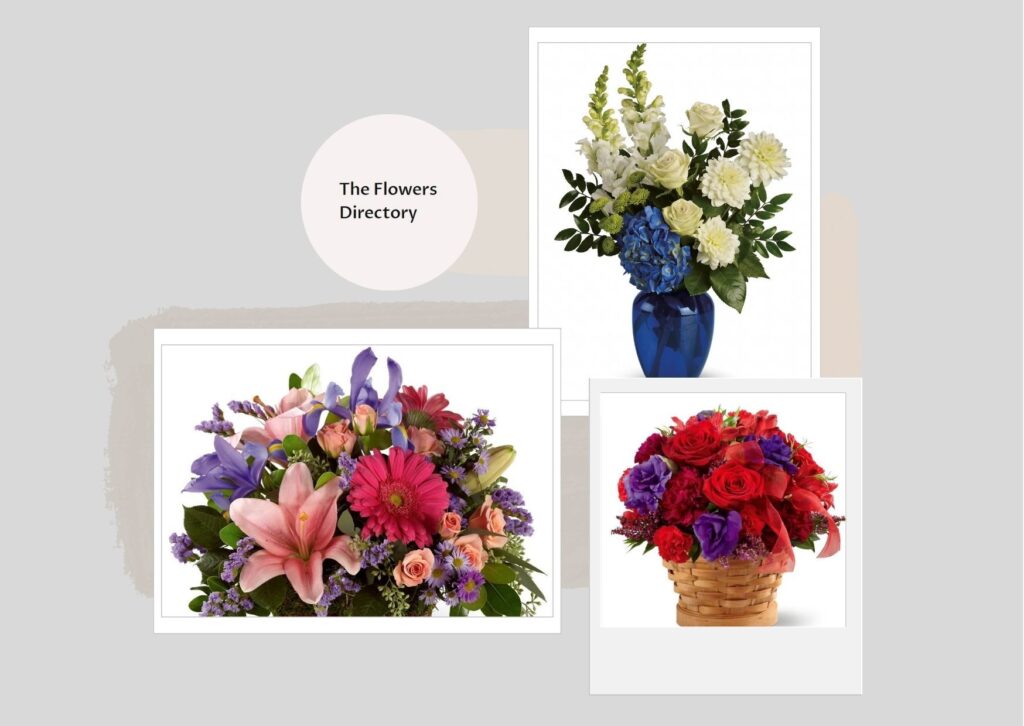
When you’re planning a compassionate arrangement, start with the message you want the recipient to feel: steady support, sincere sympathy, and gentle comfort. Soft, timeless blooms such as lilies, roses, carnations, and chrysanthemums are often sympathy flowers delivery chosen because they read clearly as condolence flowers. If you know the family’s preferences, match the selection to their taste, favorite colors, or any cultural traditions that guide symbolism.
Next, consider how the flowers will be received and displayed. A standing spray works well for memorial services, while a wreath can create a respectful focal point. For home delivery, a compact bouquet or potted plant can last longer and be cared for afterward. If you’re unsure, select elegant, neutral tones like white, cream, pale pink, and lavender to convey care without overwhelming the space.
Plan delivery details so your flowers arrive at the right moment
Sympathy flowers require careful attention to delivery coordination, especially when families are managing arrangements and schedules. Provide the full address, including apartment or unit number, and include a gate code or contact notes if the property requires it. If affordable flower delivery possible, include a recipient phone number so the delivery team can confirm placement and avoid delays. Clear instructions reduce stress for everyone and help ensure the flowers are set in a respectful location.
It also helps to think through what “arrival” means for the family. Some households prefer flowers left discreetly near an entryway, while others may prefer a front-porch drop-off or indoor placement. If you have the option, choose delivery windows that align with when someone is likely to be available to accept the arrangement. Taking these practical steps supports the emotional purpose of the gift and demonstrates thoughtful consideration.
Write a condolence note that feels personal and sincere
A short card message can carry a lot of comfort, even when flowers do much of the speaking. Keep your wording respectful and grounded, and avoid overly casual phrases. Start with a simple acknowledgment such as “With deepest sympathy” or “Thinking of you,” then add one specific detail—maybe a memory, a quality you admired, or a brief statement of support for the family. Personal touches help the note feel less generic and more like a direct expression of care.
If you’re reaching out to someone who is grieving, it’s helpful to offer gentle support without pressure. You might include a line such as “If you need anything, we’re here to help,” or “May these flowers bring comfort and remind you that you’re not alone.” Avoid making promises that can’t be kept, and keep the tone consistent with a condolence setting. A well-chosen message complements the arrangement and reinforces the meaning behind the flowers.
Conclusion
Sending condolence flowers is both a practical act and a heartfelt gesture, and thoughtful preparation helps the message land with care. By choosing appropriate blooms, confirming delivery details, and adding a sincere note, you create a supportive experience for the family during a difficult time. For elegant selections that communicate comfort and sincere condolences, The Flowers Directory offers thoughtful arrangements designed to help loved ones feel remembered and cared for through every moment of loss and remembrance. Taking a few minutes to plan the address, recipient preferences, and card wording can make your gift feel genuinely personal.
Leave Your Comment