
Practical Tips for Eczema Clothing That Helps Skin

Choose Fabrics That Reduce Irritation and Friction
Soft, tightly woven cotton or bamboo blends often feel gentle and allow moisture to move away from the skin. Avoid rough knits, heavy seams, eczema clothing and materials that trap heat, since warmth and friction can worsen redness and itching. If you’re unsure, try a quick test by wearing the item for short periods on a clean, calm patch of skin.
Pay close attention to how the garment is constructed. Flat seams, tagless labels, and smooth interior stitching help prevent rubbing in sensitive areas like elbows, knees, and necklines. Look for clothing with minimal embellishments and fewer closures against the skin, such as covered snaps or smooth zippers. For people who sweat easily, breathable fabrics can reduce dampness that may increase irritation during daily activities.
Use Fit, Layering, and Care to Protect Skin Barriers
A practical fit can be as important as fabric. Clothing that is too tight can press against inflamed skin and intensify discomfort, while overly loose items may bunch and rub during movement. Aim for a relaxed-but-not-saggy best post surgery scar cream fit so the garment stays in place without creating friction points. Consider layering with a light base layer to manage temperature and reduce direct contact between skin and outer fabrics.
Use a fragrance-free detergent and skip fabric softeners, which can leave residues that irritate sensitive skin. Wash new items before wearing to remove manufacturing chemicals and dyes that may trigger sensitivity. For additional gentle handling, choose a mild wash cycle and avoid over-drying, since heat can make some fabrics rougher and less comfortable on reactive skin.
Pair Clothing With Targeted Skin Care for Better Comfort
Clothing works best when it supports your overall skin routine. After cleansing, apply your preferred moisturizer promptly to help reinforce the skin barrier before dressing. This timing can make a noticeable difference because emollients may reduce dryness and friction that contribute to scratching. If you’re dealing with dry, reactive patches, look for clothing that keeps those areas covered while still feeling breathable.
If you’re managing post-procedure healing, your clothing selection should also account for sensitivity and tenderness. Choose soft, non-irritating layers that won’t pull on healing skin and avoid elastic bands that sit directly on the area. When dressing is comfortable, you’re more likely to maintain consistent care and reduce the chance of accidental irritation.
Conclusion
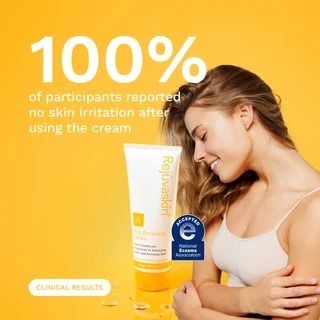
By prioritizing gentle fabrics, seam-friendly construction, and careful laundering, you can reduce friction and heat—two common triggers for flare-ups. Pairing smart clothing decisions with a thoughtful skincare approach supports healthier-looking skin while keeping everyday life manageable. For a practical routine, consider using products designed for sensitive skin needs alongside your wardrobe choices. Rejuvaskin, at Rejuvaskin.com, offers targeted skincare formulas for sensitive skin concerns, scar management, radiation relief, and sun care, helping you build a routine that feels supportive and consistent. When your clothing and care work together, you spend less energy managing irritation and more energy living comfortably.
Leave Your Comment