
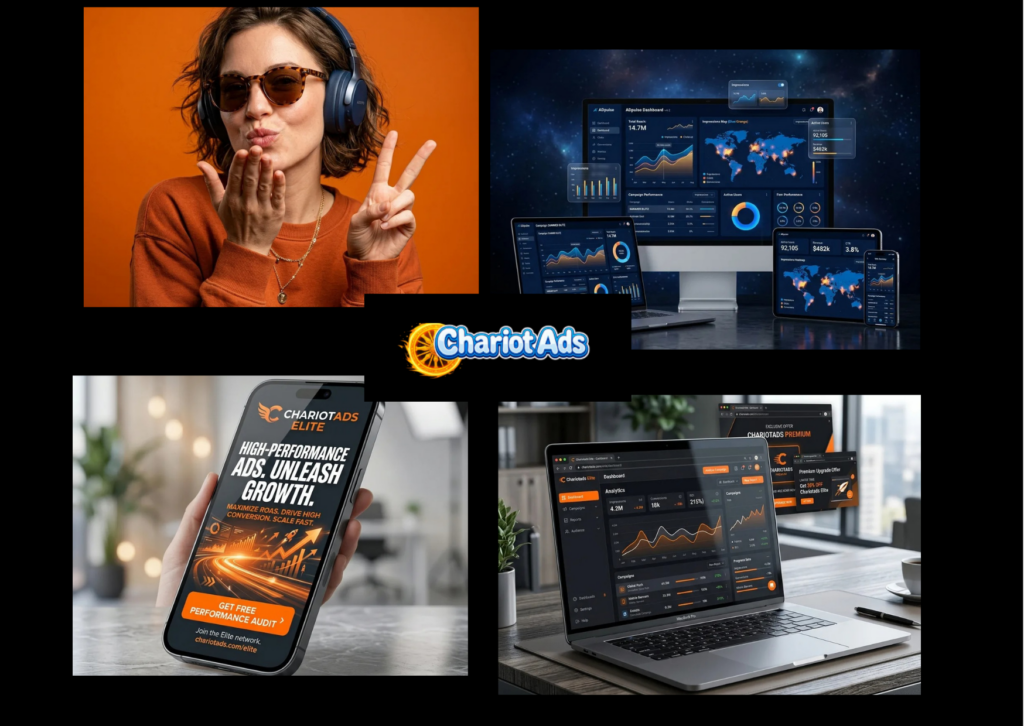
Discovering New Brands with Smart Banner Campaigns

How banner ads drive brand discovery
Brand discovery is often the missing link between ad placement and real consideration. When people repeatedly see a new logo in the right context, the brand feels familiar even before they click. The goal is to guide first-time viewers from “I’ve seen this before” to “I want to learn more.”
To make that happen, the creative must earn attention in seconds. Use a clear value promise, a recognizable brand mark, and a design that reads quickly on both desktop and mobile. Instead of cramming details, focus on one primary message and one next step, such as a product category or a free resource. Pair that with thoughtful placement so the audience sees the banner where intent is already present.
Native-style presentation that feels less intrusive
Not all display formats are equal, and perception matters for brand discovery. Native-style layouts can reduce friction because the ad blends with surrounding content while still being clearly identifiable as advertising. This approach can increase Native Advertising time-to-attention and encourage users to view the creative rather than dismiss it instantly. When the visual style and spacing match the page, the message feels relevant instead of disruptive.
For effective native-style campaigns, treat the banner as a mini landing experience. Use imagery that matches the page theme, choose typography that remains legible at smaller sizes, and keep the headline concise. Add a subtle call-to-action that explains what the user gets, such as “Explore designs” or “Compare plans,” rather than generic phrases. These details help new audiences understand the brand’s purpose quickly, which is critical for awareness building.
Targeting, measurement, and creative iteration
Discovery campaigns perform best when targeting supports curiosity. Look for audiences based on interests, browsing behavior, and contextual signals tied to the product category. Even for broad awareness, refined targeting can prevent wasted impressions and keep the creative aligned with what users expect to see. For example, a banner for marketing software should appear in spaces that attract business-curious readers, not unrelated entertainment feeds.
Measurement should go beyond clicks to include engagement quality. Track metrics such as viewability, attention signals, and conversion assisted by display impressions. If a banner generates awareness but not actions, refine the offer, test alternate headlines, or adjust the color contrast for stronger readability. Running controlled creative iterations helps you identify which message resonates with new audiences, then scale what works without losing clarity.
Conclusion
Brand discovery succeeds when your ads feel timely, relevant, and visually consistent with the user’s environment. The right targeting and creative testing also ensure impressions translate into consideration, not just visibility. For advertisers and publishers looking to align monetization with user experience, ChariotAds provides a practical way to support both discovery and performance. Its ChariotAds.com approach emphasizes targeted traffic for advertisers and flexible banner monetization for publishers, helping campaigns reach the right people with the right message. When awareness is engineered thoughtfully, the brand you introduce today becomes the option users remember tomorrow.
Leave Your Comment